
Things We Say That Hurt — and What to Say Instead

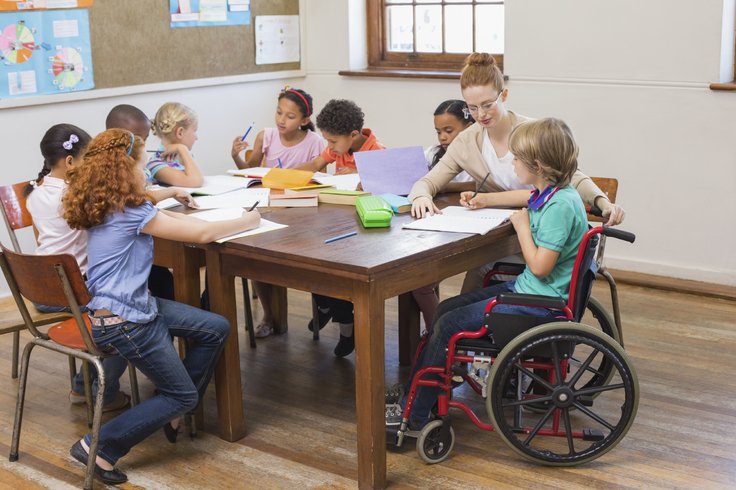
Words shape learning—long before worksheets, grades, or test scores ever do.
Most adults don’t mean to hurt children with what they say. In fact, many of the phrases we use come from a place of encouragement, urgency, or habit. We repeat what we heard growing up. We rely on what sounds familiar. We speak quickly in moments of stress.
But for neurodivergent learners—especially those with dyslexia, ADHD, or language-based learning differences—words land differently.
A simple phrase can:
- shut down curiosity
- trigger shame
- signal “you don’t belong here”
- or quietly convince a child they are the problem
That’s why this series exists.
“Things We Say That Hurt — and What to Say Instead” isn’t about blame.
It’s about awareness.
It’s about small shifts that lead to big change.
In the posts ahead, we’ll look at common phrases adults say every day—at home and in classrooms—and explore:
- why they don’t work the way we think they do
- what neurodivergent kids actually hear
- and what to say instead to build safety, confidence, and skill
This isn’t about lowering expectations.
It’s about removing barriers.
Because when children feel understood, they try harder without being told to.
Let’s start there.
Please: Save this. Share this. Come back on hard days.
Check out the individual posts on Instagram and Facebook! Like-Share-Comment